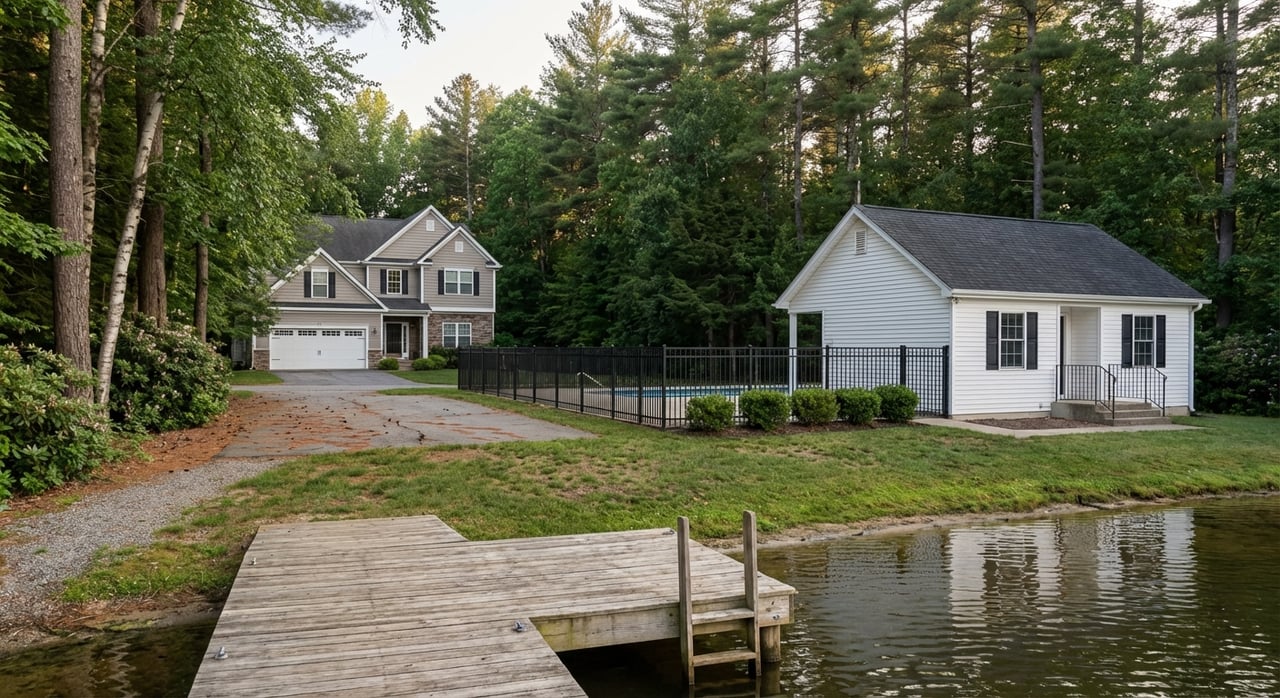
Wondering whether a true lakefront or an amenity-packed community is the better fit for your Lake Harmony second home? You’re not alone. Many out-of-area buyers start with a lifestyle dream, then run into practical questions about access, permits, HOA rules and ongoing costs. This guide breaks down the key differences so you can match your goals to the right neighborhood and avoid surprises. Let’s dive in.
Lake Harmony at a glance
Lake Harmony is a privately owned, non-navigable lake with access and boating managed by the Lake Harmony Group (LHG). LHG oversees lakebed ownership, paper-street access points, watercraft permits and slip licensing, plus lake maintenance and rules enforcement. You can review LHG’s structure and responsibilities on the group’s official overview page at their About LHG page.
The shoreline is organized in a few different ways. Many homes along North and South Lake Drive participate in the long-standing, voluntary Lake Harmony Association (LHA). Other pockets, like Lake Harmony Estates and resort-style neighborhoods, operate under their own association frameworks. To understand which rules apply to a specific address, start by confirming whether the property falls under LHA, a separate HOA, or both. LHA explains its voluntary setup here: Lake Harmony Association.
Price snapshot and what drives it
Zip-level data puts Lake Harmony’s median home price in the mid-400s. A recent market snapshot showed a median sold price around 440,000, with larger or direct-lakefront homes often trading well above 1 million. Use these figures as guideposts only. Prices swing based on lake access, lot and home characteristics, and proximity to resort amenities. For an up-to-date zip-level view, check the Lake Harmony market report, then lean on street-level comps for any specific property.
Lakefront enclaves: what you actually get
Lakefront enclaves include properties with direct or deeded access to Lake Harmony. These often sit along North and South Lake Drive or within Lake Harmony Estates. Access is not public. It is controlled by LHG and, where relevant, by association rules that govern paper-street parking, dock use and slip licensing.
Two key documents matter. First, LHG’s boating rules require permits for every motorized boat on Lake Harmony, and for non-resident nonmotorized craft. Motorized craft also need insurance with LHG named as additional insured. You can review the requirements in the official LHG Boating Rules. Second, many access points sit on LHG “paper streets.” These are regulated spaces with parking and docking limits that can affect your daily experience and your guests. See the LHG Paper-Street Rules for specifics.
Lakefront home styles range from older cottages and chalets to renovated cabins and larger custom builds. Buyers often prioritize being on the water with quick dock access and lake views. Because slips and permits are managed by LHG, you should confirm if a slip license is included with the sale, is transferable, or if there is a waitlist. LHG explains its role in permits and slips on its About LHG page and application links are available on the boat permits page.
Lakefront pros
- Direct water access and views that command long-term demand.
- Strong lifestyle appeal for boating and paddling from your doorstep.
- Mix of home types, from classic cottages to modern builds.
Lakefront tradeoffs
- Premium pricing compared to off-lake or ski-adjacent options.
- Permit, insurance and slip-licensing requirements managed by LHG.
- Paper-street parking and docking rules that can limit where you or your guests park and access the water.
Amenity-rich HOA neighborhoods like Split Rock
Amenity communities group resort experiences in one location. Split Rock Resort is the clearest local example, with on-site lodging, restaurants, golf, the Galleria Town Center and the H2Oooohh indoor waterpark. If you want family-friendly programming and walkable activities, start your research with the Split Rock waterpark and Town Center overview.
Governance in these areas looks different than a standalone lake house. You will likely see mandatory HOA or condo rules, regular assessments and, in some setups, separate resort fees. Timeshare and condo units can carry their own documents and budgets. Always confirm which association a property belongs to and whether you are reviewing condo bylaws, resort rules, or both.
Buyers here often seek convenience and optional rental potential. Unit types range from hotel-style rooms and condos to townhomes and cottages with managed grounds. Amenities can drive strong guest appeal, but your net costs will depend on HOA dues, any resort fees and how owner use is scheduled.
Amenity-community pros
- Walk-to activities like pools, dining, waterpark and seasonal programming.
- Lower-maintenance, lock-and-leave condo and townhome options.
- On-site amenities can support rental demand where allowed.
Amenity-community tradeoffs
- Mandatory dues and potential resort fees that add to the monthly cost.
- Rules for owner use, rentals and renovations may be more detailed.
- Not all units have direct lakefront or private docks.
Off-lake and ski-adjacent neighborhoods
If your dream is winter-first living, or you want a lower entry price, look just off the lake or near Big Boulder and Jack Frost. These areas include condo clusters, townhomes and chalet-style homes that serve ski weekends and four-season getaways. Some neighborhoods offer community beaches or access to smaller nearby lakes, which can be a nice middle ground.
Price positioning here is generally below direct lakefront. That said, proximity to lifts and resort features can push values higher, especially in peak seasons. For a big-picture check on pricing trends before you focus on a specific address, use the Lake Harmony market report as a starting point and then compare recent local comps with your agent.
Off-lake and ski-area pros
- Typically lower purchase price than direct lakefront.
- Quick access to skiing and winter activities.
- Variety of condo and townhome formats for easier maintenance.
Off-lake and ski-area tradeoffs
- No direct Lake Harmony frontage or private dock.
- Rental rules vary by HOA and township.
- Seasonal pricing and occupancy patterns to plan around if you rent.
Short-term rentals and lake use: what to know
Short-term rental (STR) rules operate at multiple levels, including HOA or condo documents, resort management policies and township regulations. Some associations allow STRs, sometimes with owner registration, permits and fees. Others restrict or prohibit them. Before you buy, request the current rental policy for the specific association and confirm in writing.
Lake use by tenants is governed by LHG’s permit rules. Tenants can often be issued permits for certain boats or nonmotorized craft if the owner follows LHG requirements, but restrictions apply to some motorized personal watercraft. Review the official LHG Boating Rules before you plan guest use.
How to build a smart shortlist
Use this quick due-diligence checklist before you tour.
- Association status and documents. Request CC&Rs, bylaws, the current budget, reserve study and the last 12 to 24 months of meeting minutes. Confirm whether the HOA is voluntary or mandatory and what dues cover.
- Lake access and slips. Ask the listing agent to confirm recorded lake access for the lot and whether a slip license is included, transferable or waitlisted. Get the current LHG packet and permit info from the LHG boat permits page.
- Paper-street rules. If access relies on a paper street, read the LHG Paper-Street Rules. Clarify parking permissions and winter maintenance.
- Insurance and liability. For motorized craft, LHG requires insurance with specified limits and indemnification language. See the LHG Boating Rules and review coverage with your insurer.
- Rental policy. If you plan to rent, request the HOA’s rental application, owner-permit requirements and any fees. Confirm township registration or tax obligations as well.
- Price context. Pair the zip-level market report with street-level comps from your agent to price offers confidently.
Sample places to compare on your first visit
- Lakefront corridors along North and South Lake Drive. Focus on recorded access and slip availability.
- Lake Harmony Estates and nearby lake-access pockets. Verify paper-street rights and parking limits.
- Split Rock Resort area. Walk the Town Center and waterpark to understand the amenity set and rules.
- Midlake and similar lake-view condo clusters. Consider lock-and-leave convenience.
- Ski-adjacent neighborhoods near Big Boulder and Jack Frost. Prioritize winter access and parking logistics.
Next steps
Choosing between true lakefront and an amenity community comes down to how you want to use the home, who will visit with you and how you feel about rules, fees and upkeep. If quick dock access and water views are the dream, lakefront may be worth the premium. If you want turnkey fun and lower maintenance, an amenity-rich condo or townhome could be the smarter play.
If you’re ready to compare options side by side, connect with John Keely. We’ll match your goals to the right streets and associations, request the key documents and preview top candidates so your first visit is focused and productive.
FAQs
Do Lake Harmony lakefront homes automatically include dock rights?
- Not always. Docking and access depend on recorded rights, LHG paper-street rules and LHG slip licensing. Review the LHG Paper-Street Rules and confirm any slip license in writing.
What permits do I need to use a motorboat on Lake Harmony?
- Every motorized boat requires an LHG permit and insurance naming LHG as additional insured. Details and forms are on the LHG boat permits page and in the LHG Boating Rules.
Can my rental guests use the lake if I buy in an HOA near Lake Harmony?
- Tenant lake use is allowed in some cases if LHG permit and insurance rules are followed, with restrictions on certain personal watercraft. Check the LHG Boating Rules and your HOA’s rental policy.
How do prices compare between lakefront and amenity communities in Lake Harmony?
- The zip’s median sits in the mid-400s, while larger or direct-lakefront homes often sell well above 1 million. Amenities can lift value too, but dues and fees affect total cost. Start with the Lake Harmony market report and review comps with your agent.
Who manages Lake Harmony rules and permits if I buy on or near the lake?
- LHG manages lakebed ownership, permits, slip licensing and paper-street access. Associations like LHA or community HOAs may add their own rules. See the About LHG page for the governance overview and confirm your property’s specific HOA documents.