Thinking about selling your Saylorsburg home but not sure where to start with price or prep? You are not alone. In a small market like Saylorsburg, the right pricing and presentation make a real difference in how fast you sell and how strong the offers look. In this guide, you will learn how to read current Monroe County trends, choose a pricing strategy that fits your goals, prepare your home to shine, and navigate Pennsylvania disclosure rules with confidence. Let’s dive in.
Read the Saylorsburg market first
Use Monroe County trends as your baseline
Monroe County is showing a mid to low 300s median sale price in early 2026, with days on market extending compared to last year. Recent county dashboards place the median sale price near the high 200s and the median days to pending around 46, with total days on market often reaching the 70s. Sale to list ratios are just under 1.0, which tells you buyers are sensitive to realistic pricing and appraisals.
What this means for you: buyers will compare your home to nearby options, and appraisers will lean on recent local sales. A price that fits the neighborhood and the latest comps will keep you on buyers’ short lists and reduce the odds of a pricing reset later.
Why a hyperlocal CMA matters in Saylorsburg
Saylorsburg is a small CDP, so monthly stats can swing because there may be only a handful of sales. One outlier can skew an entire month’s “median.” That is why a local Comparative Market Analysis is essential. Ask your agent for comps from your immediate area and similar homes, focusing on the past 3 to 6 months. If sales are sparse, widen to 6 to 12 months with clear adjustments for size, features, and condition. Your list price should be built on those comps, active competition, price per square foot, days on market, and list to sale ratios in your band.
Choose the right pricing strategy
Market value sweet spot
Listing at realistic market value is often the safest path in a balanced market. It attracts the broadest pool, avoids a long days-on-market count, and helps you sidestep a series of price cuts. This is the go-to approach for most sellers who want steady interest and a clean appraisal route.
Slightly below market to build momentum
A small underpricing strategy can jump-start showings and set the stage for multiple offers if inventory is tight at your price point. This works best when your CMA shows clear demand and limited supply for your style and size. If buyer traffic is thin in that band, this tactic can backfire, so rely on recent comps and an honest read of the active competition.
Premium pricing for truly unique homes
If your property offers a rare lot, recent high-end renovations, or sits in a pocket with very low supply, a targeted premium can be appropriate. If feedback in the first two weeks is soft, be ready to adjust. Let the market’s response guide your moves.
Practical pricing rules to follow
- Get a current CMA from a local expert and update it right before you list.
- Price with buyer search filters in mind. Landing just below common thresholds increases your visibility in search results.
- Watch your launch window. If showings and inquiries are weak after 10 to 14 days, revisit price and marketing.
- Plan for appraisal reality. County averages near a 0.98 to 0.99 sale to list ratio suggest buyers and appraisers expect pricing to be close to market value.
Positioning that drives offers
Focus on curb appeal and quick interior refresh
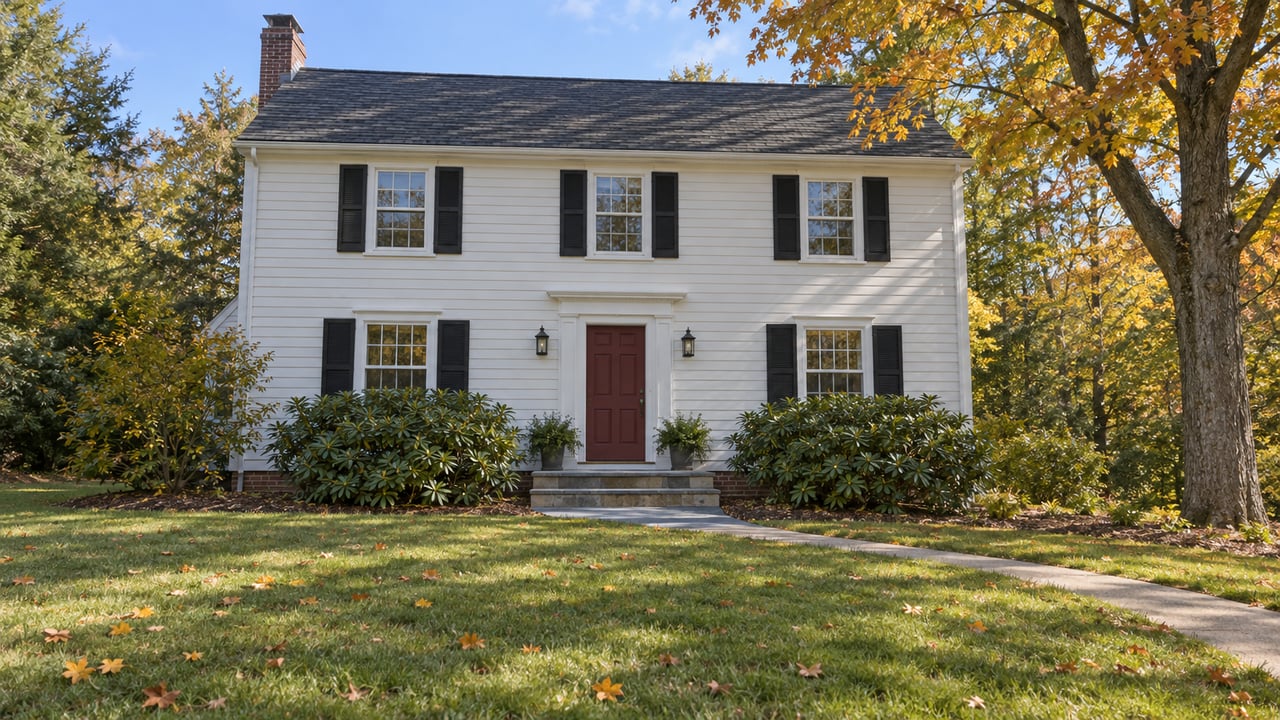
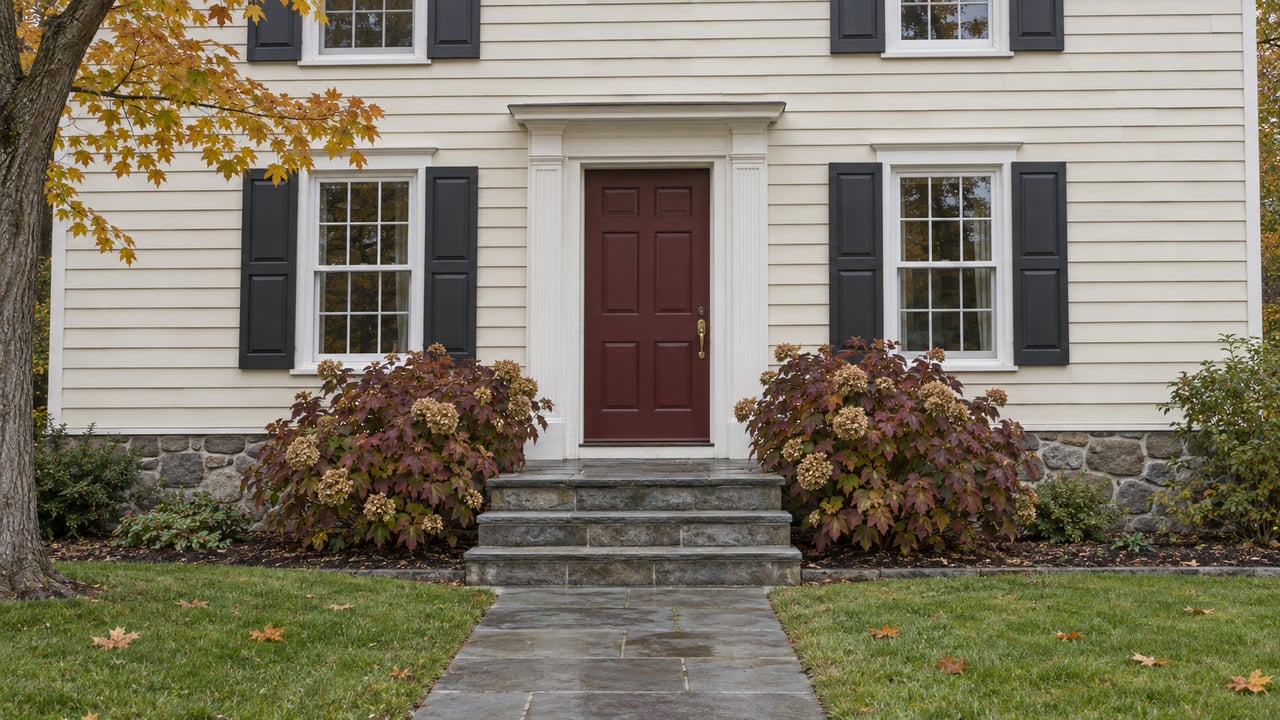
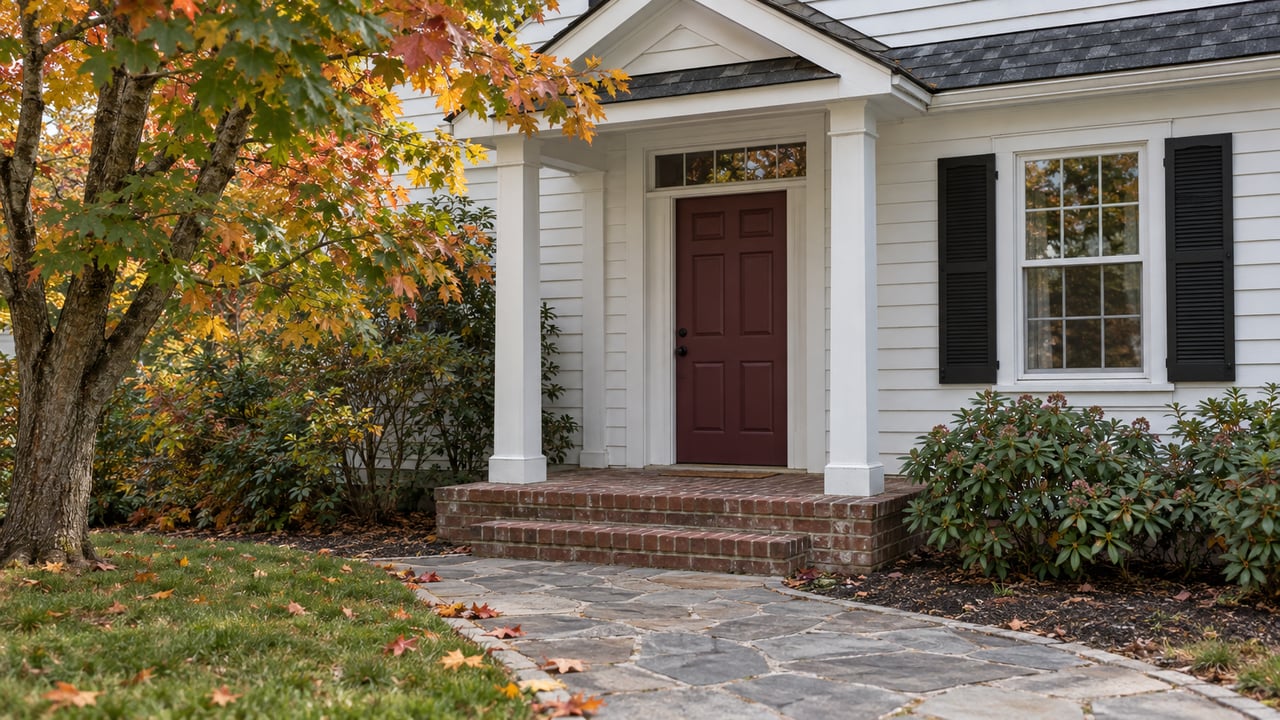
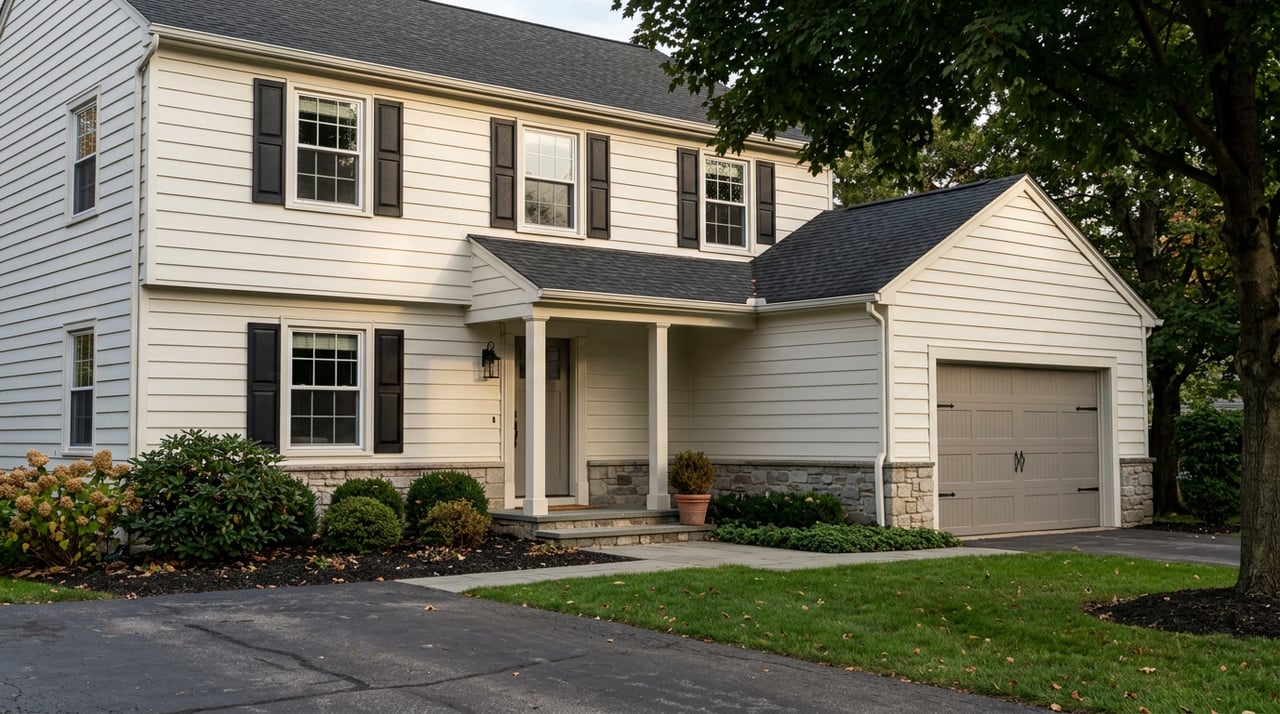
First impressions start at the mailbox. Fresh mulch, trimmed shrubs, a tidy walkway, and updated entry hardware help your photos pop and set the tone at showings. Outdoor improvements consistently rank as smart, high-impact moves in national reporting on exterior projects. See the Remodeling Impact Report on outdoor features from NAR for guidance on curb appeal priorities.
- Consider a neutral interior paint refresh, updated light bulbs, and a top-to-bottom deep clean. These low-cost items deliver immediate visual lift.
- Prioritize safety and function over big luxury projects if your budget is limited.
For more on the value of outdoor updates, review NAR’s summary of high-ROI exterior features in the Remodeling Impact Report: outdoor features that resonate with buyers.
Stage key rooms to shorten time on market
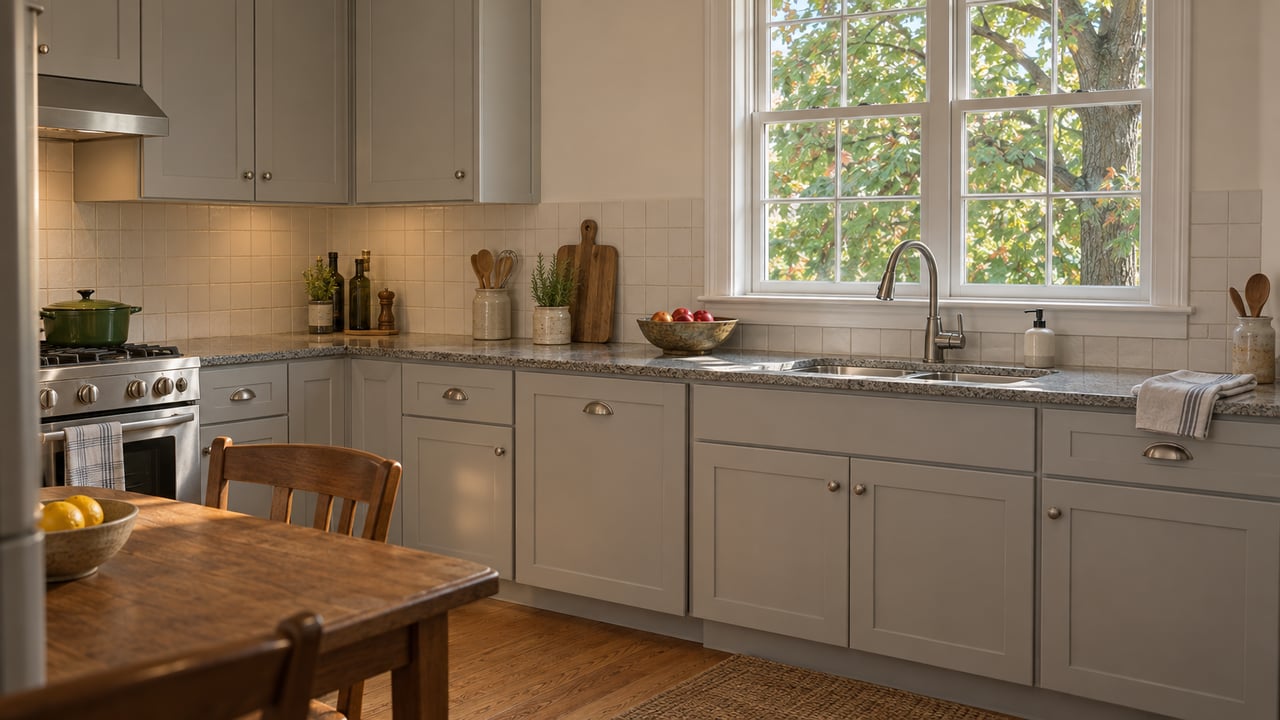
Staging helps buyers visualize how spaces live, both online and in person. According to NAR’s Profile of Home Staging, agents report staging can shorten time on market and, in many cases, lift offers modestly. If you will only stage a few areas, focus on the living room, primary bedroom, and kitchen. If your home is vacant, virtual staging is a budget-friendly option that still draws eyes online.
- Learn more in NAR’s research: 2025 Profile of Home Staging.
Invest in professional media
Buyers begin online, and great media moves them to schedule a showing. Professional photography, a floor plan, and either a video or 3D tour can significantly increase online engagement and speed up interest. For rural or wooded lots in Saylorsburg, a few clear exterior and setting shots help buyers understand the property context right away.
- Industry analyses show pro photos and immersive tours boost clicks and showings. Read more about why quality visuals matter: how professional photo editing supports faster sales.
Target repairs with strong ROI
Tackle potential deal-killers first. If your roof is near the end of life, HVAC is failing, or there are visible leaks, address those before you list. If your property has a well and septic, ensure both systems are functioning and ready for buyer inspections. After that, consider modest, high-ROI refreshes rather than large remodels. Historically, midrange updates and exterior projects tend to recoup a higher percentage of cost than major luxury overhauls. The goal is to present a home that feels move-in ready without over-investing.
Highlight Saylorsburg selling angles
Commuting and regional access
Saylorsburg sits along PA 115 with access to area roads that connect to Stroudsburg, East Stroudsburg, and Allentown. Many residents commute within the region, and some use regional bus service to New York City from nearby park-and-ride locations. For context on the corridor, see Pennsylvania Route 115. Always verify current bus schedules and stops with the operator before you publish a listing or flyer.
Work-from-home details buyers notice
Remote and hybrid work remain common for many households. In your listing, note the internet provider and typical speeds available. NAR’s buyer research shows workspace and connectivity influence search decisions, so being clear about these details can strengthen interest from out-of-area and work-from-home buyers. See NAR’s latest trends report: Home Buyers and Sellers Generational Trends.
Lifestyle proximity
If it fits your property, mention convenient access to shopping and services in Stroudsburg and East Stroudsburg, regional employment in Allentown, and outdoor recreation around the Delaware Water Gap and the greater Poconos. Keep statements factual and specific. Buyers respond to clear, neutral descriptions of location benefits.
Pennsylvania disclosures and paperwork
Complete the Seller’s Property Disclosure early
Pennsylvania requires you to provide a Seller’s Property Disclosure to the buyer before an agreement of sale is signed. The standard PAR form asks about structure, water and sewer, environmental items, and other material facts. Fill it out completely and update it if anything changes. This protects you from post-closing issues and reduces back-and-forth during inspections. Review the form here: Pennsylvania Seller’s Property Disclosure.
Wells and septic
If your home uses a private well or septic system, disclose known conditions and be ready for testing or inspections during the transaction. Local rules can vary, so confirm any township-specific requirements with your agent before you list.
Your 3 to 12 month seller timeline
3 to 12 months before listing
- Get a current CMA from a local agent and discuss pricing paths.
- If time is tight or you want fewer surprises, consider a pre-list inspection.
- Schedule contractors for safety or mechanical fixes first. Roof and HVAC issues usually outrank cosmetic work.
- Map your ideal launch season and work backward so repairs, staging, and photos are completed well before you go live.
1 to 3 months before listing
- Declutter, deep clean, and complete minor paint and trim updates.
- Refresh curb appeal with mulch, pruning, and entry touch-ups.
- Book professional photography, a floor plan, and video or 3D tour.
- If staging is part of the plan, coordinate install a few days prior to photos. NAR’s staging research supports shorter market times when key rooms are staged.
Launch week and the first two weeks
- Monitor online views and showing requests closely.
- Gather feedback from buyers and their agents after showings.
- If activity is slow after 10 to 14 days, revisit price, photos, and marketing focus. Early momentum is your friend.
Contract to closing
- Prepare for inspections, financing, and appraisal timing.
- If your list price is at the higher edge of recent sales, talk with your agent about appraisal support. Having a data set of comps, upgrades, and your CMA ready helps you navigate gaps if they arise.
Smart listing checklist
- Recent CMA and pricing plan with a 2-week check-in point.
- PAR Seller’s Property Disclosure, plus any HOA docs if applicable.
- Receipts for improvements, utility averages, and appliance manuals.
- Plan for pets and showings, including lockbox and access notes.
- Professional photos, floor plan, and media schedule confirmed.
- Marketing plan for launch week, including syndication and open house strategy.
What to expect from a local pro
A Saylorsburg sale benefits from hyperlocal knowledge and disciplined execution. A strong agent will build your CMA around nearby, recent comps, advise you on price-band tactics, and coordinate the presentation that captures online attention. They will also watch your launch metrics and recommend fast adjustments if the market signals a change is needed. If you want a clear, data-backed plan for pricing and positioning your Saylorsburg home, connect with a local professional who lives this market daily.
Ready to price and position your Saylorsburg home for a smooth, timely sale? Reach out to John Keely for a local CMA, a tailored prep plan, and a launch strategy built for today’s Monroe County market.
FAQs
How long does it take to sell a home in Monroe County?
- County dashboards recently show median days to pending around the mid 40s and total days on market often in the 70s, but your timeline depends on pricing, condition, and local competition.
Why is a CMA better than city-page stats for Saylorsburg?
- Saylorsburg has small monthly sales counts, so one sale can skew a month’s median; a CMA uses nearby, recent comps plus actives and pendings to set a reliable price.
Do I really need to stage my Saylorsburg home?
- Staging often shortens time on market and can lift offers modestly according to NAR research, so it is a cost-effective step for many sellers.
What should I disclose when selling in Pennsylvania?
- Use the PAR Seller’s Property Disclosure to report known material facts about systems, water and sewer, and environmental items before a buyer signs an agreement of sale.
How can I make my listing stand out online?
- Invest in professional photos, a floor plan, and either video or a 3D tour, then launch with clear, factual highlights of location, features, and any work-from-home benefits.
How can my listing appeal to commuters and remote workers?
- Note access to PA 115 and regional roads, nearby park-and-ride bus options, and list your internet provider and typical speeds to support commuter and WFH needs.