At the intersection of Route 115 and State Road in Effort sits Prosser Laboratories, a certified water testing lab that has spent decades processing samples from the wells that supply nearly every house in Chestnuthill Township. Nobody passing through would notice it. There's no ordinance that sends buyers there, no state law that makes a stop at a lab like this mandatory before a house in Effort can change hands. Pennsylvania has never regulated private wells. It's one of only two states in the country with no construction or water quality standards for them at all.
And yet a large share of the people buying homes in Effort will end up at a lab exactly like Prosser's anyway, not because the state told them to, but because their lender did.
The gap the state leaves open
Pennsylvania's approach to private wells is, by design, hands-off. The Department of Environmental Protection doesn't regulate them. There's no statewide code dictating how deep a well must be drilled, how it must be capped, or how often it should be tested. Testing a private well before selling a home isn't required by law anywhere in the state.
The consequence shows up in the numbers. Penn State Extension's water resources program estimates that roughly 45 percent of private water sources in Pennsylvania have never been tested. Of the wells that have been tested, about half turn up at least one water quality problem, according to the same Penn State research. Most of what turns up is treatable: hard water, iron, manganese, sulfur, occasionally bacteria. But none of it gets caught unless someone decides to look, and in a state with no testing mandate, "someone" is rarely the seller and never the county.
Where the law stops, the loan starts
That's the part of the story that changes once financing enters the picture. FHA, VA, and USDA loans all require a certified lab water test as a condition of closing when the property is served by a private well, regardless of what Pennsylvania does or doesn't require. The rule doesn't come from Harrisburg. It comes from the underwriting guidelines attached to the loan.
Conventional financing is less consistent. Some conventional lenders ask for a water test as a matter of course, especially when the property also has a septic system. Others don't ask at all. A cash buyer can, in theory, skip testing entirely and take the well on faith.
What that means in practice is that the same house in Effort can move through closing on two entirely different timelines depending on how it's financed. A cash sale can close in weeks with no water test at all. An FHA or USDA sale, common among the primary-home buyers this stretch of Monroe County tends to attract, can't close until a certified lab has results back and the numbers meet the standard the health authority with jurisdiction sets, or, absent a local standard, the EPA's.
What the test actually checks and how long it takes
A baseline private well test covers total coliform bacteria and nitrates, the two Penn State Extension recommends checking annually regardless of a sale. A fuller pre-purchase panel typically adds iron, manganese, hardness, pH, and sulfur, the minerals most often responsible for the staining, odor, and taste complaints common in wells drilled into Pocono bedrock. Arsenic gets added to the list in some panels depending on the well's history and location.
Turnaround is faster than most buyers expect. Coliform and chemistry results are typically available within about four business days of the lab receiving the sample. Lead testing takes longer, up to seven business days. None of this happens overnight, which is exactly why timing the test early in a transaction, rather than waiting for the lender to request it, keeps a closing date from sliding.
The cost side is modest on the front end. An annual bacteria-only test runs around $25 to $30. It's the fixes, not the test itself, that can add real dollars to a deal.
Why this is the rule in Effort, not the exception
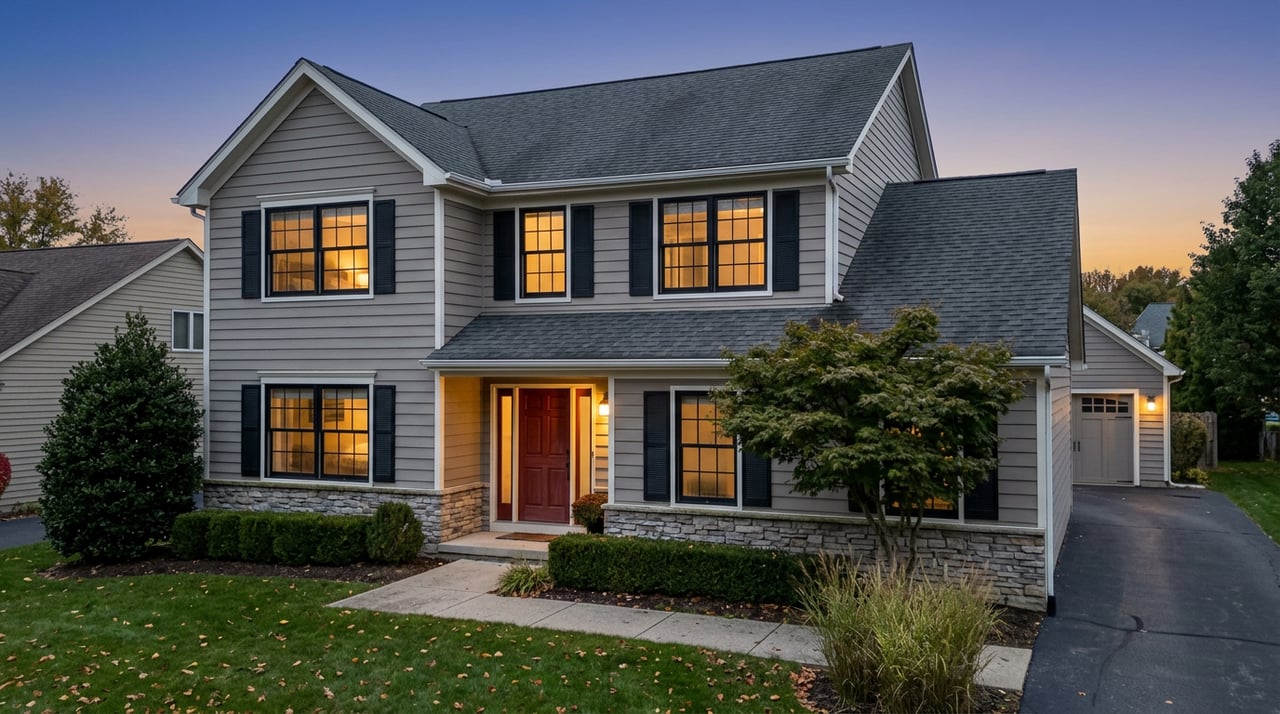
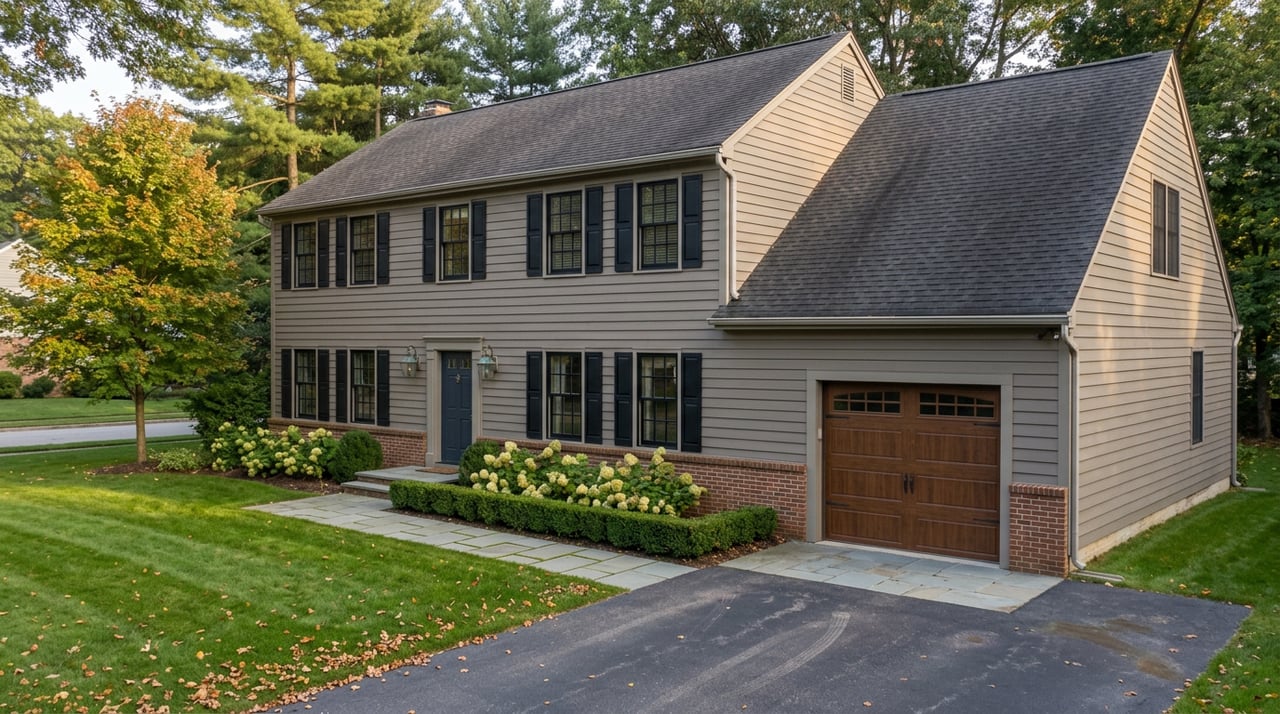
None of this is a hypothetical risk that might apply to a buyer somewhere in rural Pennsylvania. It's close to the default condition of buying in Effort specifically. Listing sheets for homes in Chestnuthill Township routinely show water source as well and sewage disposal as on-site septic as the standard utility configuration, not the exception flagged with a caveat. That holds true across the price range, from wooded acre-plus parcels built for a single custom home to land-lease communities like Birchwood Park, where homes still rely on the same well-and-septic infrastructure as their acreage-lot neighbors.
There's no public water main running through most of Effort waiting to make this moot. The village's rural character, the same quiet, wooded setting that draws commuter families and second-home buyers to the area, is inseparable from its reliance on private wells. Buying here without a well is close to a statistical impossibility on most listings.
Turning the test into leverage instead of a surprise
A test that comes back with a problem isn't the end of a deal. Bacteria contamination and most mineral issues are treatable, often for a few hundred dollars, occasionally running into a couple thousand for equipment like a full treatment system. What determines whether that cost becomes a calm line item in negotiation or a stressful discovery two days before closing is timing.
A test ordered the moment an offer is accepted, rather than the moment a lender's checklist requires it, gives both sides room to work out who pays for treatment, whether the price adjusts, or whether the seller fixes it before the final walkthrough. A test that surfaces during underwriting, with a closing date already on the calendar, gives nobody that room.
Sellers have a version of this leverage too. A well cap that's cracked from years of temperature swings, a common failure point in the Poconos given how sharply ground temperatures shift seasonally, is a cheap fix if caught ahead of a listing and a credibility question if a buyer's inspector finds it first. Testing before listing, rather than waiting for a buyer's lender to force the issue, keeps a seller in control of the narrative around the property's water system instead of reacting to someone else's timeline.
Before you write the offer
None of this changes what makes a house in Effort worth buying. It changes when a buyer or seller should expect the well to become part of the conversation. For a cash buyer, that conversation is optional. For anyone financing with an FHA, VA, or USDA loan, and that's a meaningful share of the primary-home buyers this market serves, it isn't optional at all. It's simply not written into state law, which is exactly why it catches people off guard.
Knowing the test is coming, and ordering it early instead of waiting for a lender to request it, is the difference between a closing date that holds and one that slides by a week while a lab in Effort finishes running coliform and nitrate panels on a sample that could have been submitted three weeks earlier.
If you're buying or selling a well-and-septic property in Effort and want to know how this timing fits into your specific transaction, PoconoFindAHome can walk through what a realistic closing calendar looks like before you write or accept an offer.