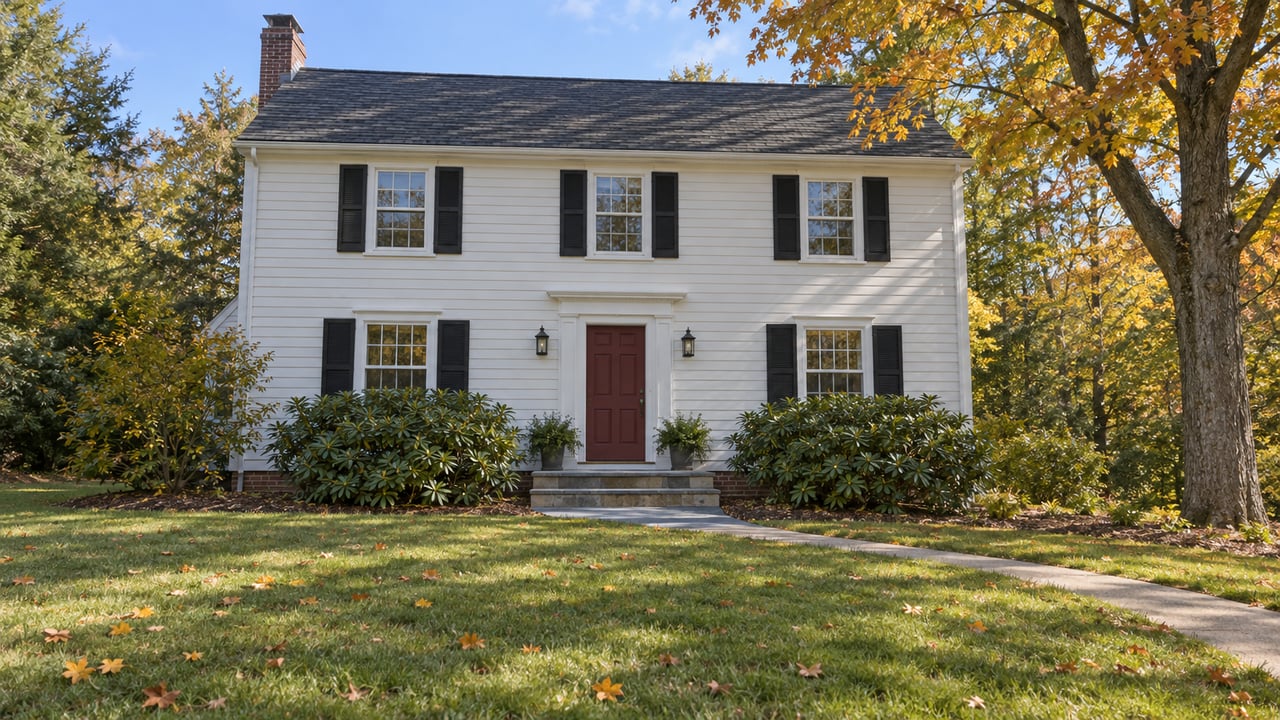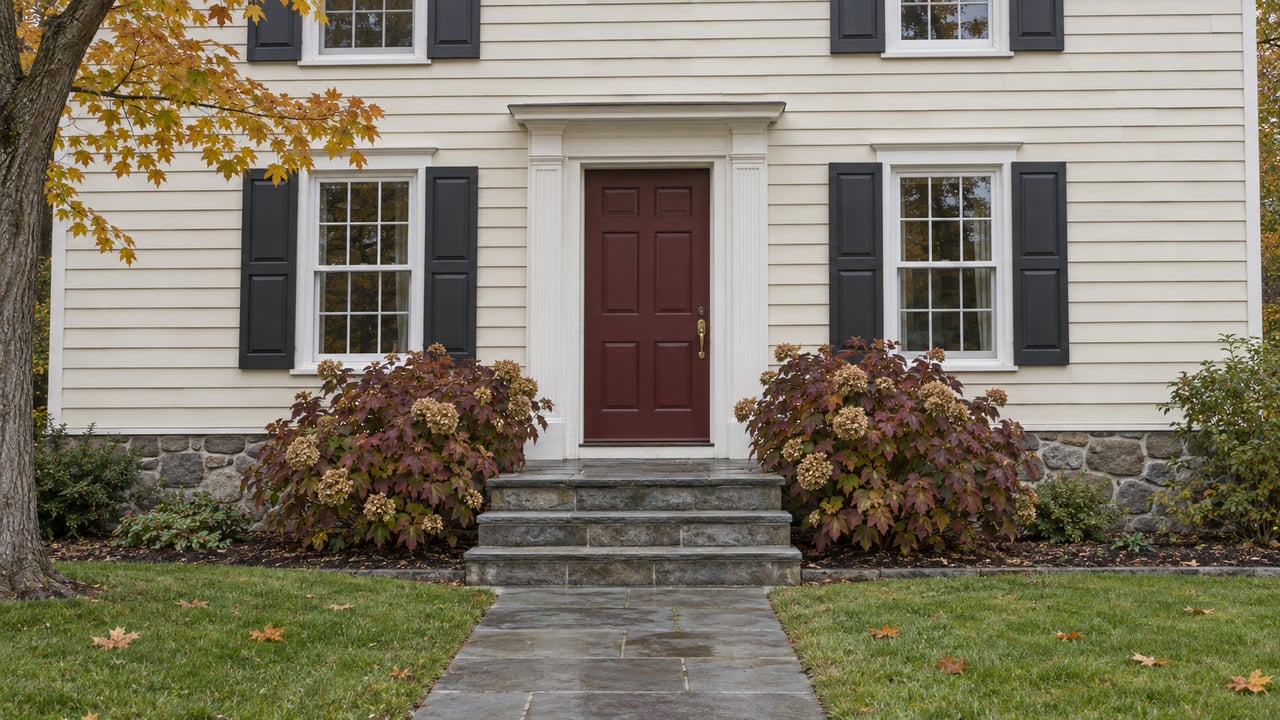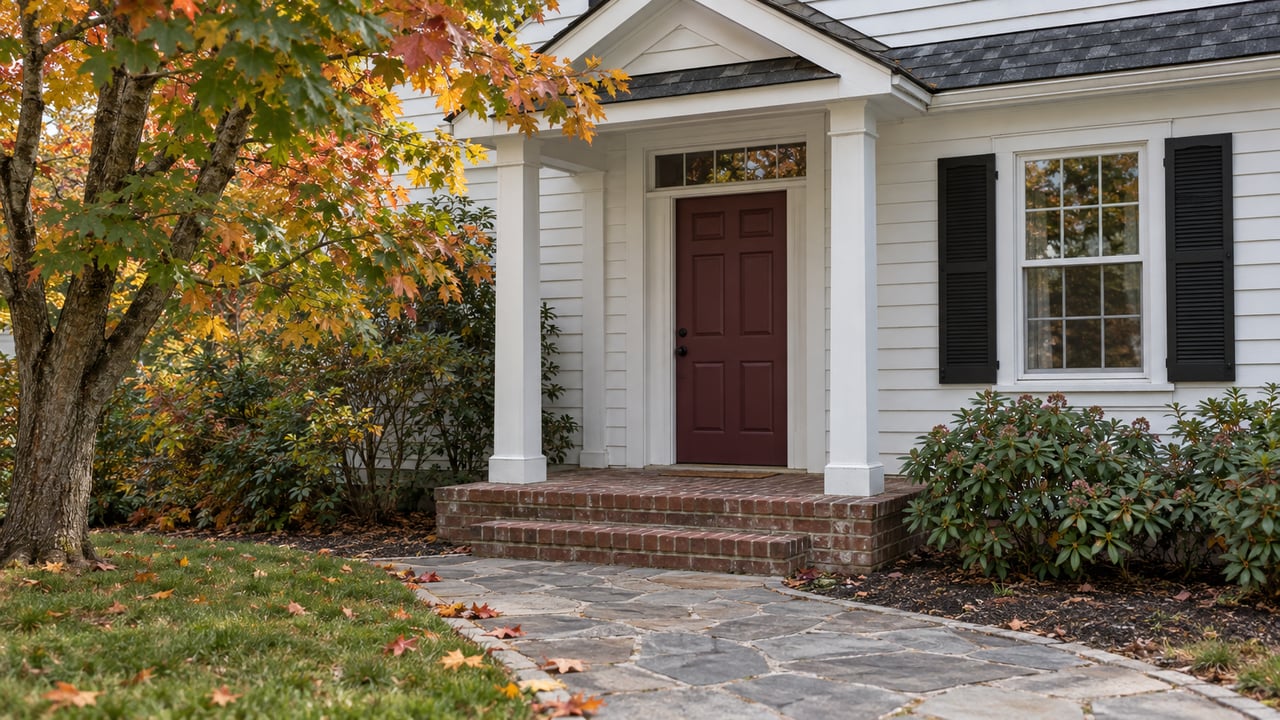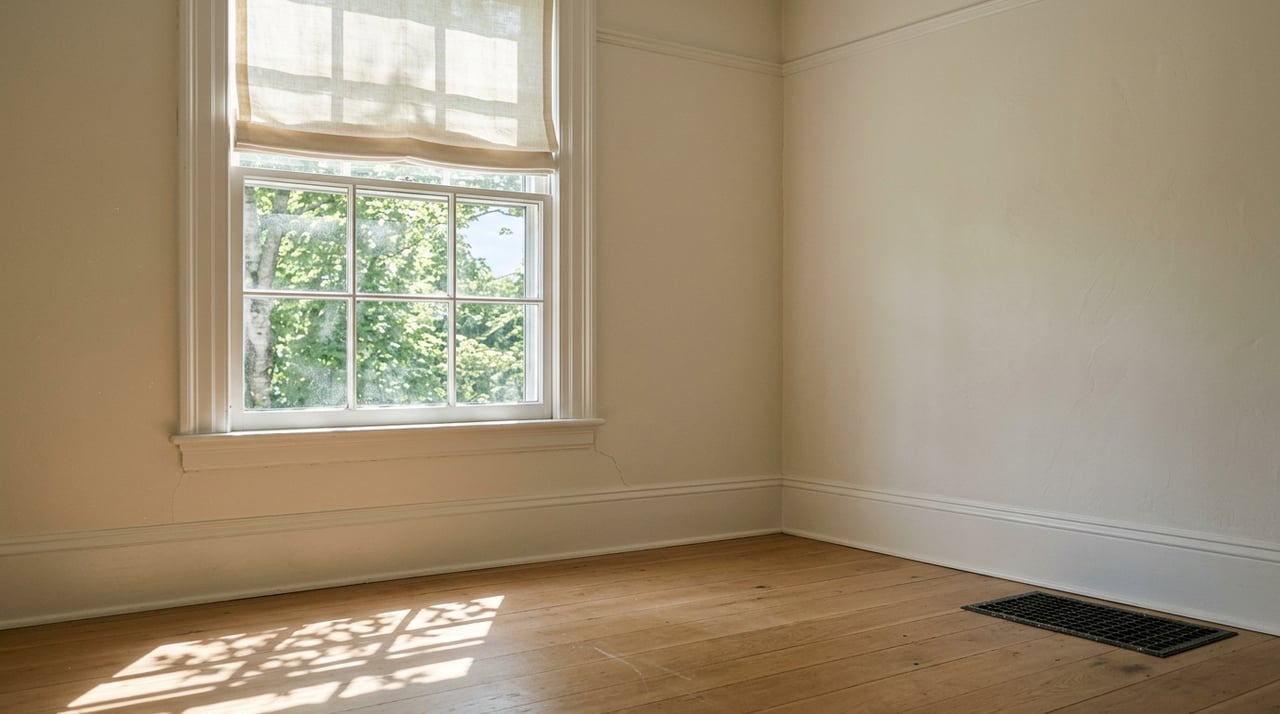
Stroudsburg borough sellers keep hearing the same story: 0.59 months of supply statewide as of mid-2026, homes closing at nearly 99.88% of list, a Monroe County median of $318,500 in Q1 that was up 6.2% year over year. That is a seller's market on paper. It is also the exact market where a single inspection-period finding costs more than it should, because the buyer knows their next option is thin and expects the seller to solve the problem before they walk.
The three findings that do the most damage in borough deals are not structural. They are environmental and legacy issues that the Pennsylvania Seller's Property Disclosure Statement asks about but does not force you to test for. On a pre-1980 borough parcel, all three can stack on the same house. The thesis of this post is simple: the leverage you have in a tight-supply market is measured in days, and these three items are the ones that consume the most of them.
Why The Borough Stack Is Different
Stroudsburg borough carries a heavier concentration of pre-1980 single-family housing than the newer subdivisions west and south of town. That housing was heated with oil before the gas conversions of the 1980s and 1990s, painted with lead-based product before the 1978 federal ban, and built on the same Reading Prong geology that puts much of eastern Pennsylvania in EPA Radon Zone 1. A house built in 1962 on a borough lot can be exposed to all three at once. A 2005 build on a two-acre lot outside the borough is usually exposed to one.
The Pennsylvania statute that matters here is 68 Pa.C.S. § 7304, which governs the Seller's Property Disclosure Statement. Radon sits in § 7304(B)(14). Underground storage tanks and known soil or water contamination each get their own line. Lead paint on a pre-1978 home triggers a separate federal addendum on top of the state form. The disclosure duty is honest and narrow at the same time: you disclose what you know, and you do not have to test to find out more. That gap between what you have to disclose and what a buyer's inspector will actually find is where deals get repriced.
Finding One: Radon Sits Inside The Inspection Window
Pennsylvania is one of the highest-radon states in the country, and Monroe County sits in the elevated-risk band. The EPA action level is 4.0 pCi/L, and in high-risk PA counties more than 40% of tested homes exceed it. Sellers are not required to test before listing. Buyers almost always test during the standard 10 to 15 day inspection contingency.
The § 7304 disclosure is a results-disclosure duty, not a testing duty. A seller who has never tested has nothing to disclose. A seller who has tested cannot withhold what the test said.
The measurement itself is a 48 to 96 hour closed-house test under ANSI/AARST protocol, sent to a DEP-certified lab. If the number comes back above 4.0 pCi/L, an active soil depressurization system installed by a DEP-certified contractor is typically a one-day job. Post-mitigation retest adds another 48 hours of closed-house conditions and 24 to 48 hours of lab turnaround. Total elapsed time from contingency trigger to release is roughly four to five business days, which is why this finding rarely blows up a deal on its own. What it does do is hand the buyer a credit request the seller was not planning for.
There are enough DEP-certified providers within a short drive of the borough to keep timelines honest. Northeast Radon Solutions is based in Stroudsburg 18360. Robert Krause at WIN Home Inspection Stroudsburg is another certified name in the borough. PRS Home Inspection out of East Stroudsburg 18302 handles radon alongside general inspections. The DEP maintains a full certified-firm directory at files.dep.state.pa.us if a buyer's agent asks for a name and you want to hand them one.
Pre-listing move: a $150 short-term test three months before you list gives you three options instead of one. If the number is under 2.0 pCi/L, you disclose it and take the buyer's radon contingency off the table. If it is above 4.0, you install a system on your timeline and price for the disclosed ASD. What you do not want is a buyer's 96-hour test result arriving on day seven of a 15-day contingency with three days of financing questions still open.
Finding Two: The Buried Oil Tank Nobody Remembers
This is the finding that reprices deals hardest, because the risk is not the tank. The risk is the paperwork gap around the tank. Under the PA Real Estate Seller Disclosure Law, the SPD asks directly about underground storage tanks, heating oil tanks, and known contamination. A seller who genuinely does not know a tank is buried under the side yard is not lying by checking "unknown." A seller who bought the house in 1998, converted from oil to gas in 2004, and never asked what happened to the old tank is also not lying. The buyer's lender is going to ask anyway.
Three things stack against the seller once a fill pipe or vent stub gets photographed in an inspection report:
- Environmental liability follows the parcel. If the tank leaked, remediation cost sits with whoever owns the land when the release is documented, not whoever installed the tank in 1968.
- Title insurance does not cover soil contamination. Chain-of-title defects are covered. What is under the yard is not.
- FHA, VA, and conventional lenders with strict underwriting often require documented removal or a clean environmental assessment before they will fund. A buyer with a financing contingency and an undocumented tank has a very short menu of choices.
Signs a borough inspector will flag: a capped fill pipe and a shorter vent pipe near the exterior wall, an abandoned copper line entering the basement near a converted gas boiler, foundation patching where a feed line once passed through, a rectangular patch of settled soil, or grass that grows differently in one part of the yard. A magnetometry tank sweep runs $250 to $500 and is worth commissioning on any pre-1970 borough home with no removal permit on file. If the sweep finds a tank, a licensed decommissioning with documented closure is the paperwork the buyer's lender is going to want to see.
Finding Three: The Federal Addendum That Stacks On Top
Any home built before 1978 requires a federal Lead-Based Paint Disclosure addendum in addition to the state SPD. This is not a Pennsylvania rule. It is a Title X requirement that applies to every pre-1978 residential sale in the country, and it gives the buyer a 10-day window to conduct a lead assessment separate from the general inspection.
On a borough home that has already surfaced a radon retest and a tank question, the lead addendum becomes the third clock running inside the same 15-day contingency. Sellers who prepare the disclosure honestly, provide the EPA pamphlet, and note any known lead history usually see the buyer waive the assessment window. Sellers who leave the section blank or refuse to acknowledge the age of the paint create the second-most-common reason a borough deal falls out of contract after financing.
Sequencing Before You List
The pre-listing sequence that protects the leverage a 0.59-month-supply market gives you:
- Pull the deed and permit history. A gas conversion permit without a corresponding tank-removal permit is the flag your buyer's lender will find in week three.
- Commission a radon short-term test 90 days out. Price the mitigation into the list, not into a contingency credit.
- If the home predates 1970 and has no tank-removal record, commission a magnetometry sweep. If a tank is found, decommission with documented closure before listing.
- Complete the § 7304 SPD in full, including the radon result and any tank history. Attach the federal lead addendum for any pre-1978 home.
- Keep the paperwork in a single PDF the buyer's agent can hand to the lender on day one.
The Market Frame
Statewide inventory sat at 0.59 months of supply with roughly 50 days on market in mid-2026, and Monroe County posted the strongest year-over-year appreciation of the three Pocono counties in Q1. That backdrop favors sellers who arrive with paperwork and penalizes sellers who arrive with unknowns. The three findings above are the ones most likely to convert a full-price offer into a credit-heavy retrade, and they are the ones most concentrated in the borough's pre-1980 stock.
FAQ
Do I have to test for radon before I list? No. Section 7304 requires disclosure of results you already have, not the production of new ones. Testing early is a leverage move, not a legal one.
If I bought the house without a tank disclosure, am I protected? Not from environmental liability, which runs with the parcel regardless of what a prior seller disclosed. You are protected from a claim of knowing misrepresentation if you truly did not know.
How long does a mitigation system take to install and retest? Roughly four to five business days from install to a released contingency, which usually fits inside a standard 10 to 15 day inspection window.
Does the lead paint addendum apply to a 1979 home? No. The federal cutoff is 1978. A home built in 1979 or later does not trigger the addendum, though buyers may still ask.
If you are preparing a Stroudsburg borough home for sale and want a pre-listing walk-through that catches these three items before a buyer's inspector does, John D. Keely at PoconoFindAHome can help you build the paperwork stack that protects your leverage. Let's connect and start your Pocono valuation.